From the Workshop II
By June 2026, the fuselage and tail of P7056 have resided, resplendent as HE-W, at the Kent Battle of Britain Museum. This has freed up Pete's workshop for the kind of magic that takes up a lot of space - the construction of the wing spars.
The Whirlwind had three spars, one of which only extended as far as the engines. All three needed to perform a sort of Schrodinger's spar trick, whereby they had to have the massive strength to hold a wing steady and secure when puling the sort of G that fighter aircraft were expected to experience, and yet contain large areas of nothing, gaps large enough to allow enormous volumes of high-speed air to pass from the leading edge intakes, through the internal radiators, and out via the variable apertures over the fowler flap - actually they needed to be as 'not there' as possible.
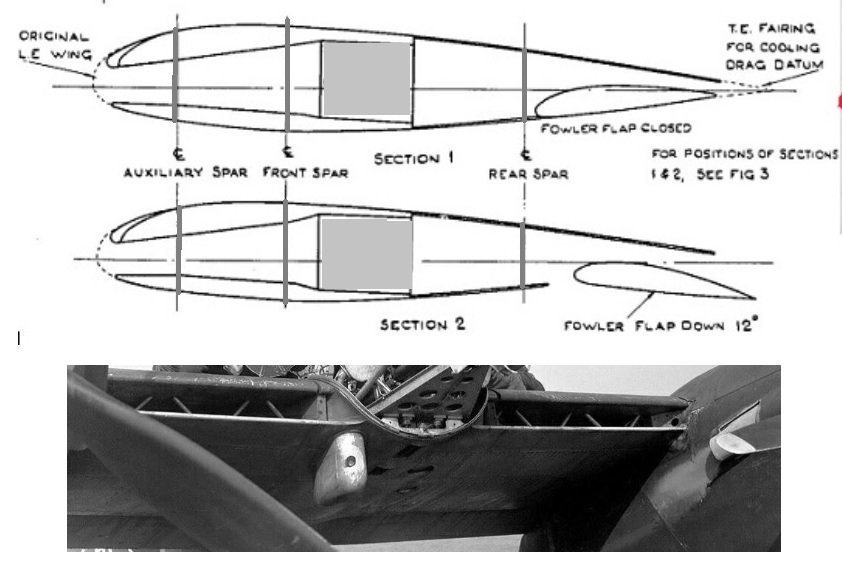
The solution was the characteristic 'zig zag' of struts sandwiched between the booms of all three spars, each one a cast metal aerofoil. Having completed the booms and centre webs', Pete turned his attention to these.
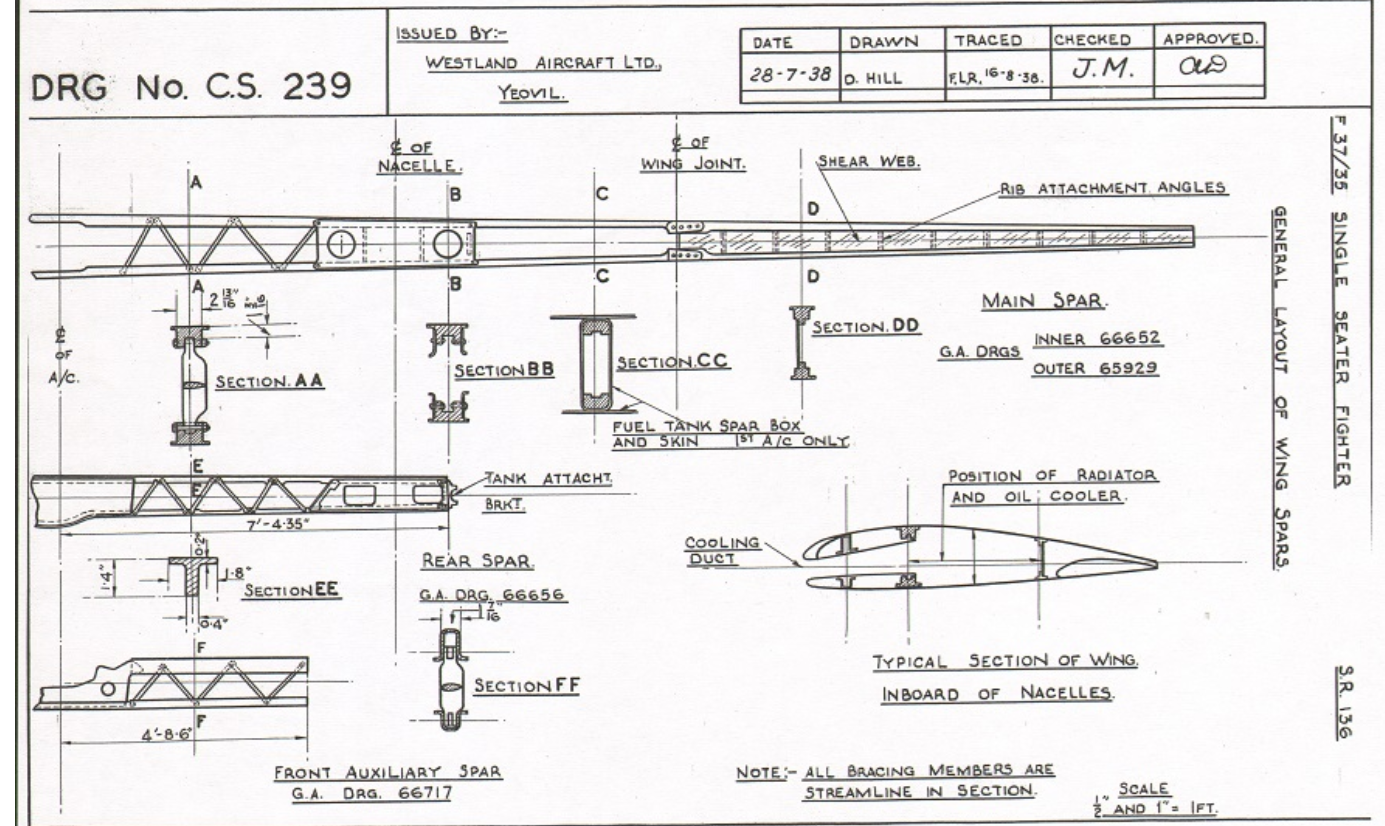
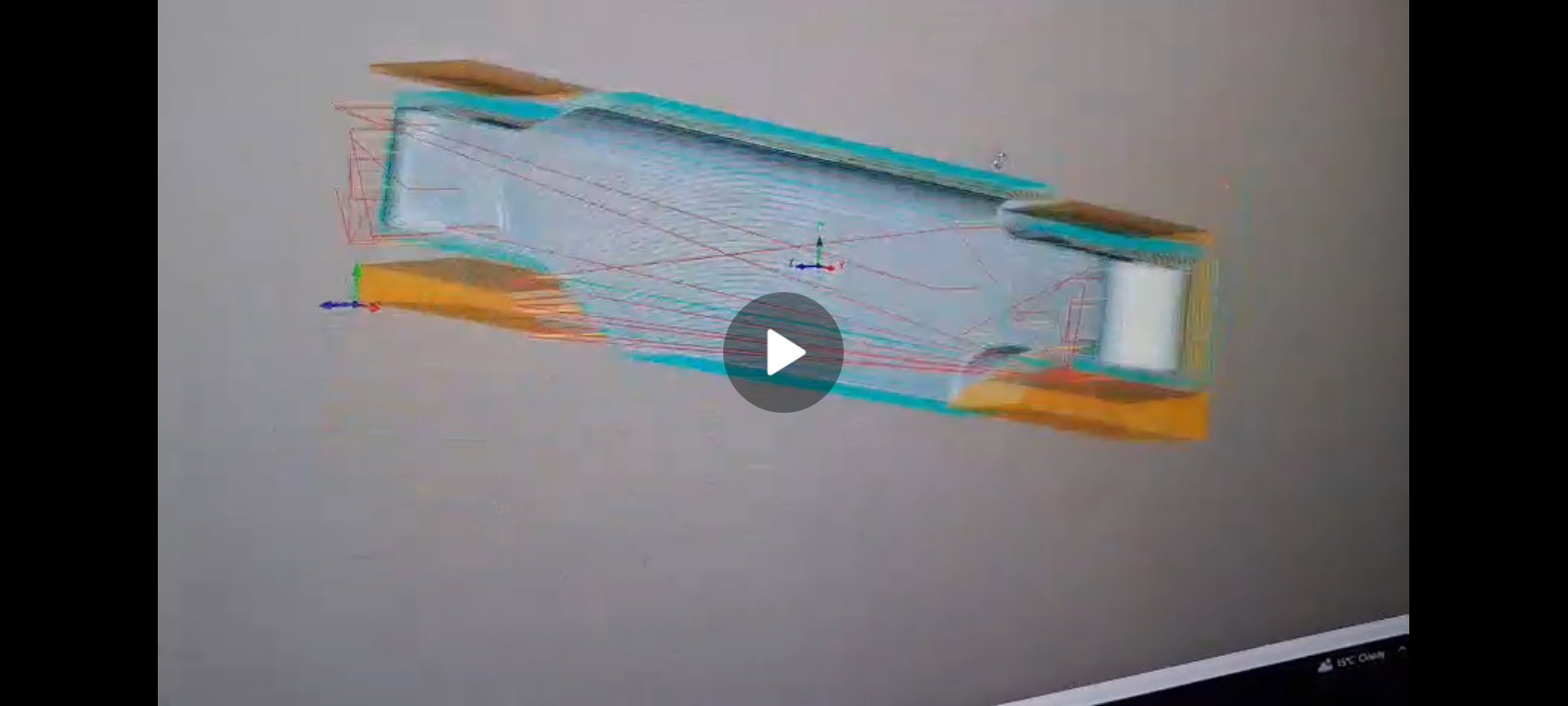
Each handed strut needed to be cast from alloy to its own pattern. This kind of manufacturing complexity was typical of the Whirlwind - the aircraft's engineering design did not factor in buildability at any point. The following illustrate the process, from CAD model through blanks to casting, fettling and dry fitting to the spar.
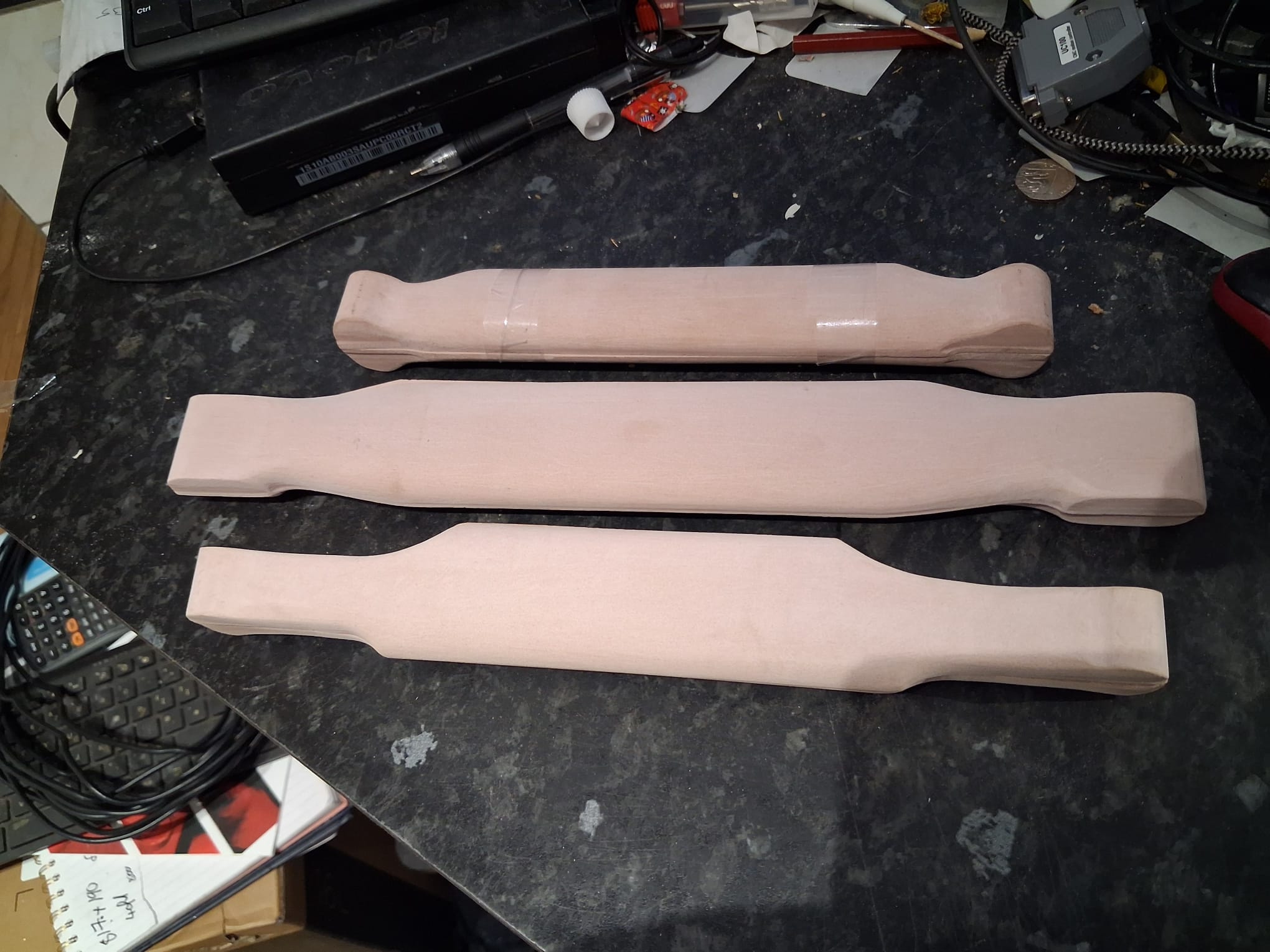
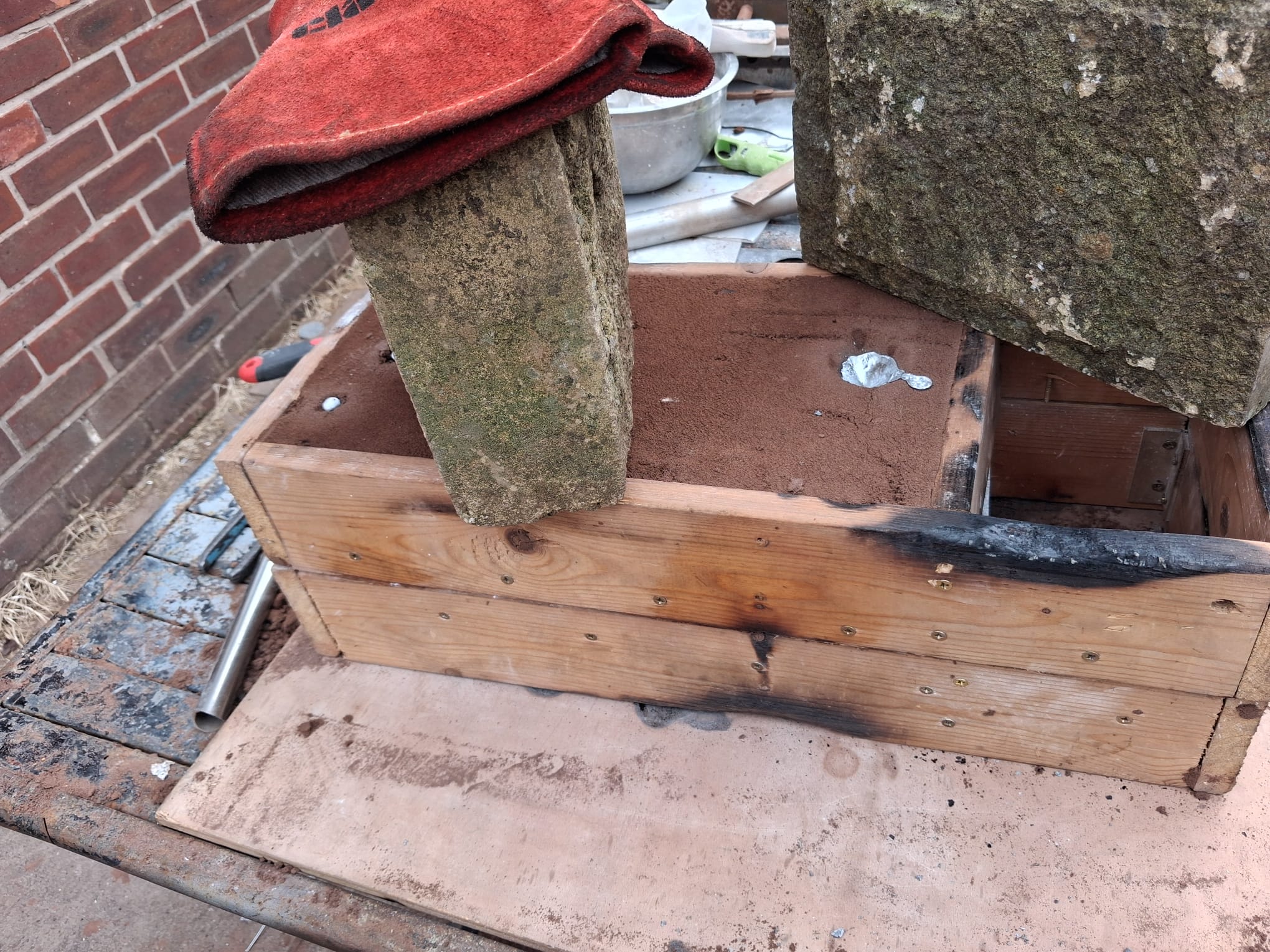
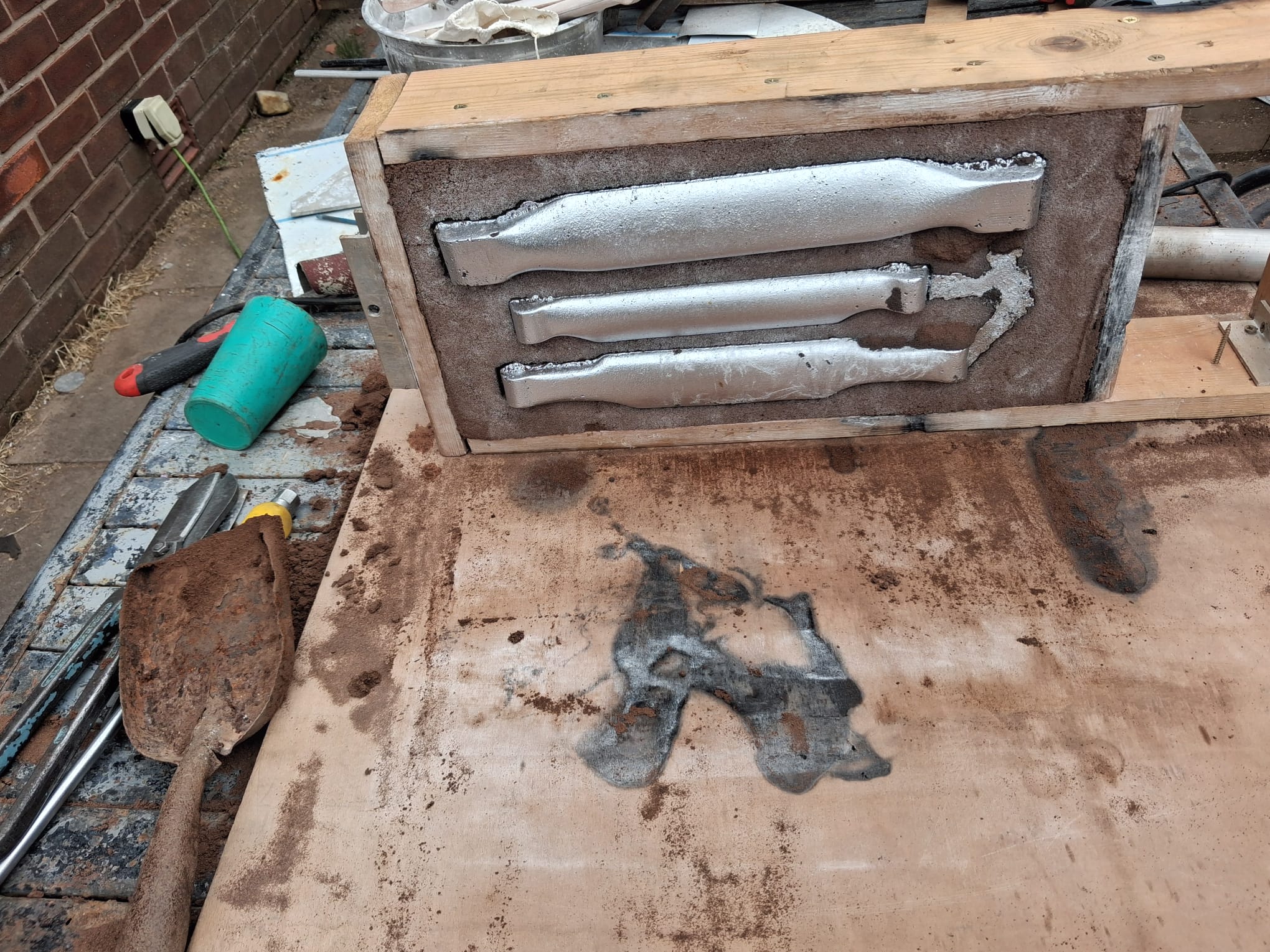
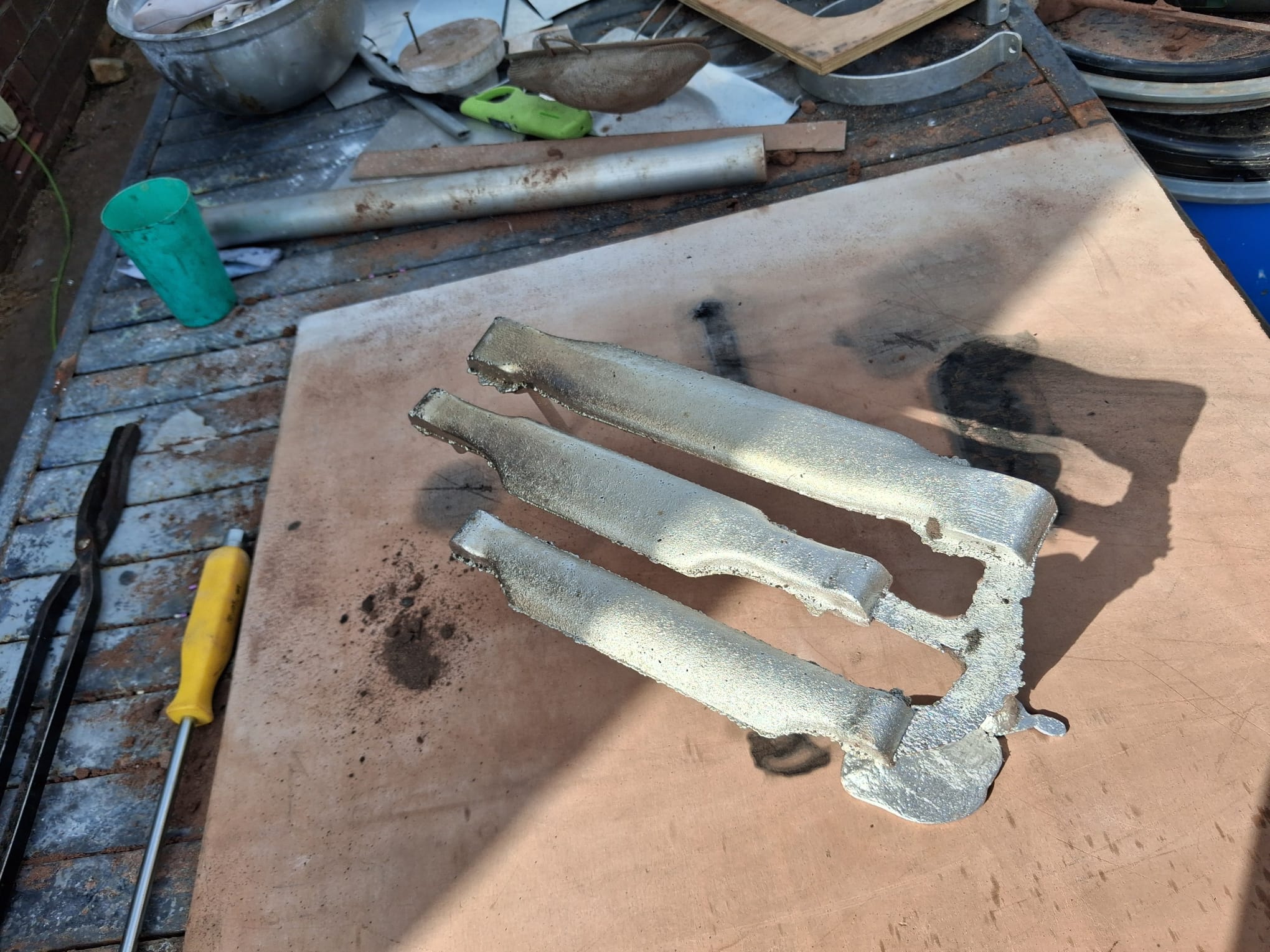
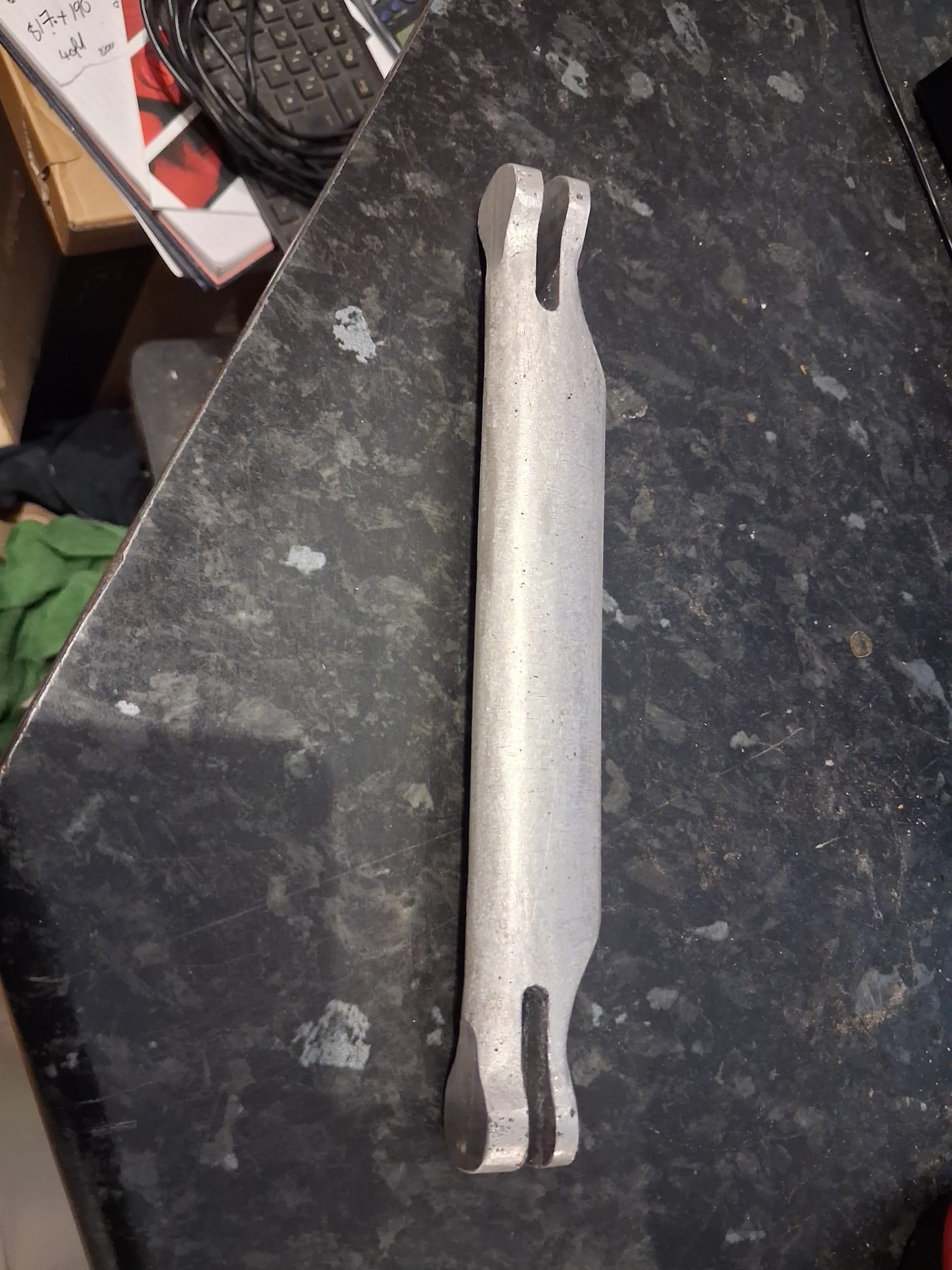
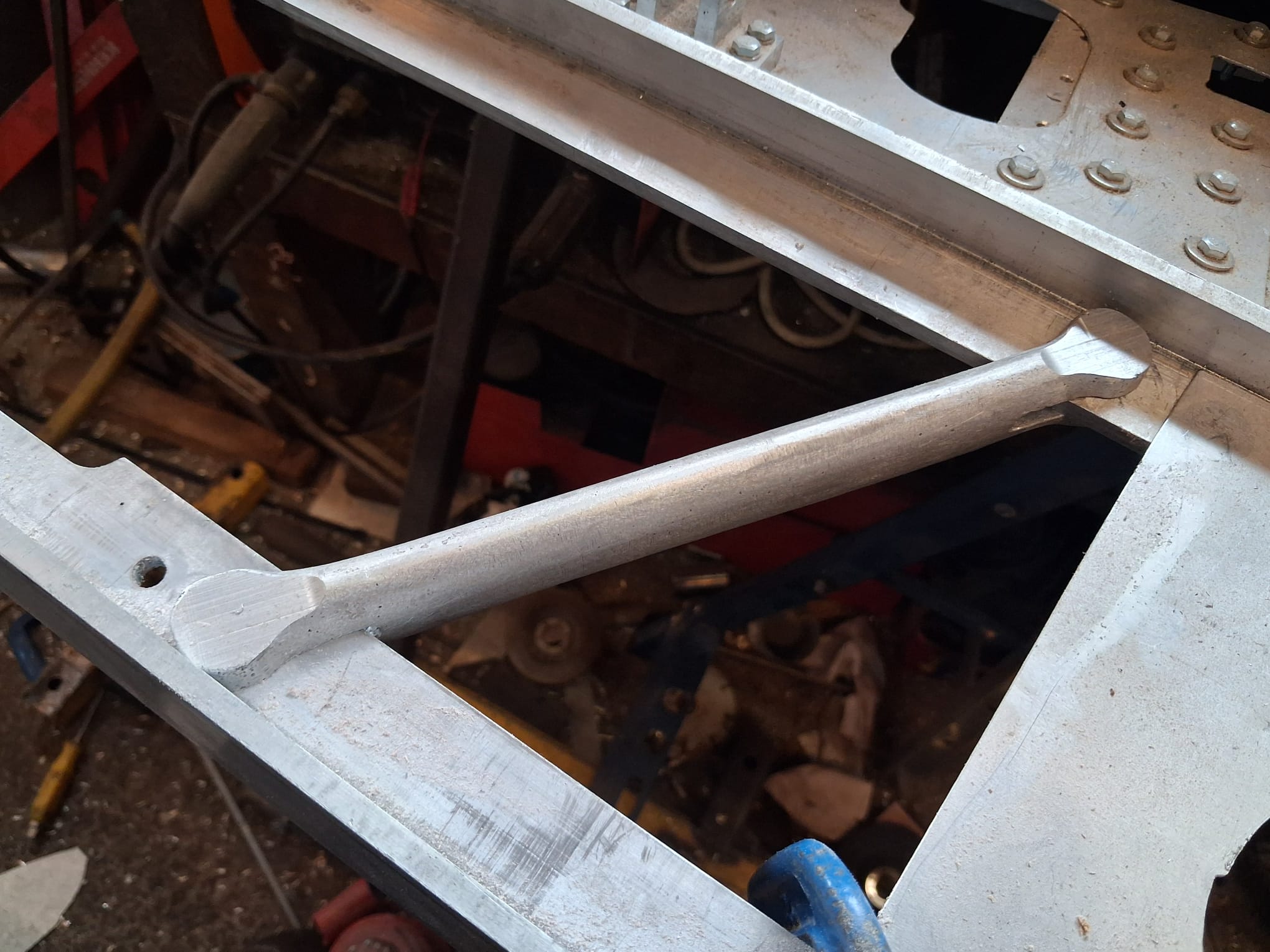
With enormous thanks to Julian Richardson for his donation of the material for these struts, at a time when metal is far from inexpensive.